
I am also planning to work with my friend, and fellow potter Oska Lappin, to create a surtout display on a dining table size space with plates and cutlery. I am proving the ceramic display and she will provide the beautiful decorated plates echoing the theme of the exhibition.

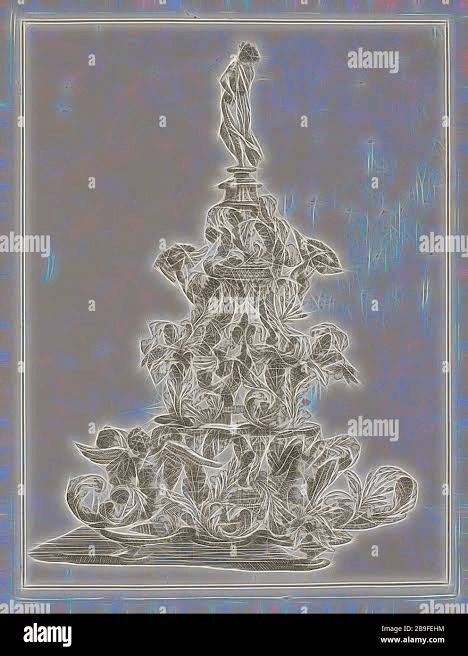
A ceramic surtout de table or a very grand dining centrepiece usually features a mirrored plate framed by ceramic figures, candelabra and tazzas. The ceramic installation functions as the focal point of a table setting, visually elevating candlelight and floral arrangements. It will be interesting visually to follow these conceits, as I am already aware that the addition of the dining plates to the Cracked Myths figures has made the view considerable more attractive. So tazzas and candelabra it is – my to do list grows ever longer…
A Tazza is a shallow bowl suspended on a decorative support.

Surtout Display Techniques
To exhibit ceramics in the spirit of a traditional surtout de table, artists and curators employ specific display elements:
- Reflective Platters: Using mirrored glass, polished metal, or gilded bronze bases to reflect the undersides and intricate glazing of the ceramic objects.
- Tiered Platforms: Staging vessels and sculptures at varying heights to create architectural depth, echoing historical multi-part centerpieces.
- Modular Groupings: Arranging dozens of individual, hand-crafted objects to flow across the surface, treating the entire table as an interconnected installation.
Description, history and modern art usage
A surtout de table is a grand, decorative centrepiece placed on formal dining tables. Bouke de Vries dramatically modernizes this historic tradition by using shattered porcelain, antique shards, and plastic elements to create complex narratives on the tabletop. The history of the surtout de table ranges from ancient confectionery architecture to modern art installations.
The surtout de table is said to have first appeared in 1692 at the meals for the wedding of Philippe II, Duke of Orléans and Louis XIV’s legitimized daughter Françoise Marie de Bourbon, as “a great silver gilt piece of a new invention”. At first it was designed to hold candles, condiments, and other clutter on the table, and protect a polished wooden table from the staining caused by spillage from the salt and vinegars in the condiments. During the first half of the 18th century as the sugar sculpture trionfo declined, the surtout de table evolved to fill its role.


Leave a comment