Why create an ancient dystopia?
In my work I explore themes of consumer culture, environmental recklessness, and socio-political global conflict in ceramic. In my last work Shed Salty Tears the debris left on our beaches reveals plastic’s wider implications for our environmental health, marine ecosystems and how both marine and human populations can survive. This was a 21st century environmental dystopia.
For my next work Cracked Myths I decided to look to ancient cultures to draw comparisons with our modern world and the downfall of powerful ancient civilisations. I also draw connections between dystopia and modern surveillance society. Modern society has incorporated Surveillance culture into our daily lives with alacrity, allowing huge corporations to harvest our private date, monitoring our movements, checking our social media use and community policing.
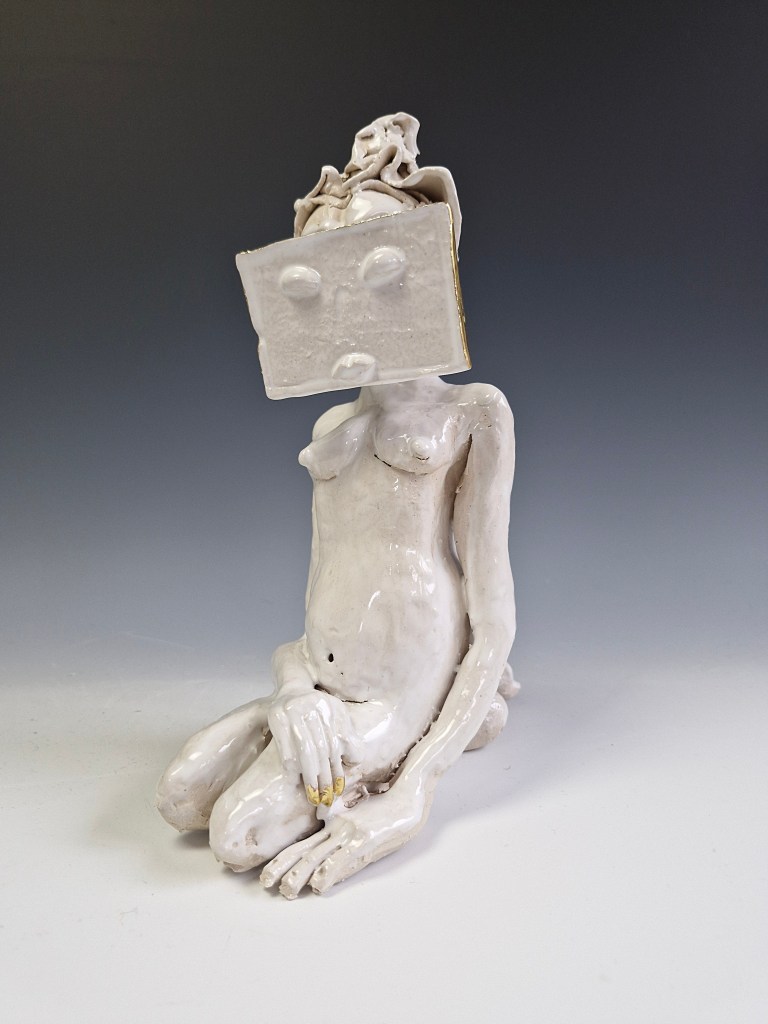
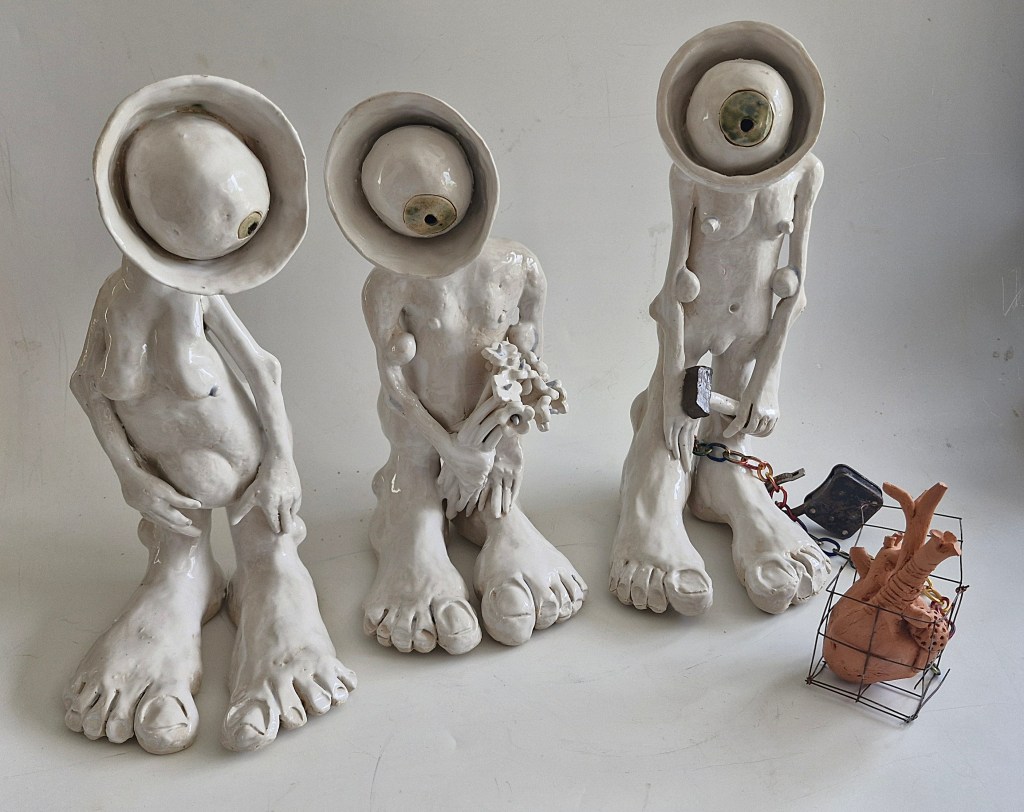
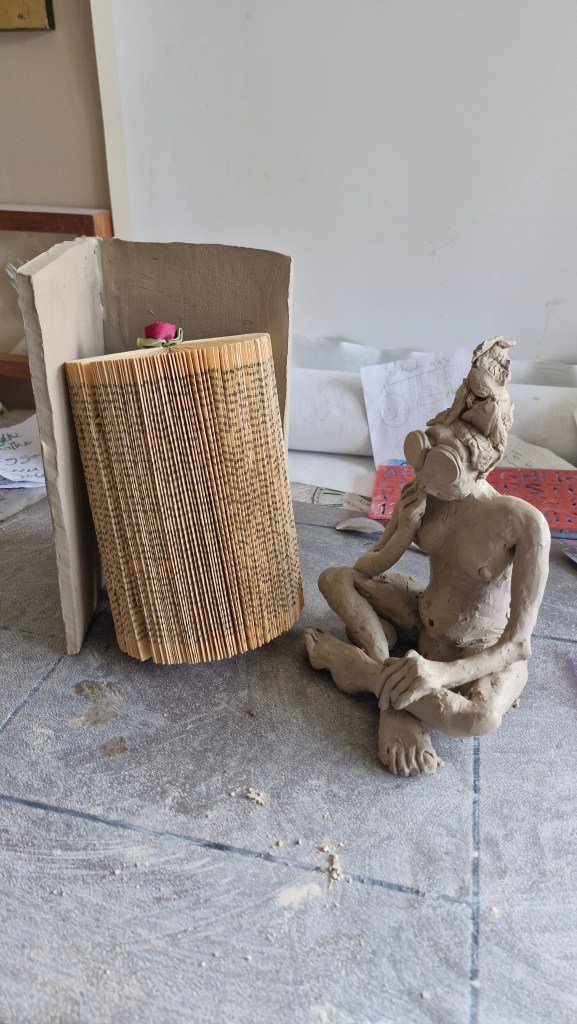
Cracked Myths, albeit set in an ancient world, comments on this. Graeco Roman pillars have surveillance cameras attached to them, the three Cyclopes have surveillance camera eyes as does the nerdy Goddess Clio with her huge spectacles reading her Cracked Myths book Clay Surveillance for more.
How to create a ceramic dystopia?
An environment of broken Roman pillars, re-imagined gods and goddess, monsters and creatures emerging from Hades is starting to appear. Structures and figures will have cracks deliberately cut into them: apart from symbolising an earthquake they will symbolise the passage of time, the fragility of humanity, and the endurance of classical art. They explore the idea that beauty is not complete without bearing traces of suffering or damage.


Leave a comment