EARTHQUAKE

Shattered Truths

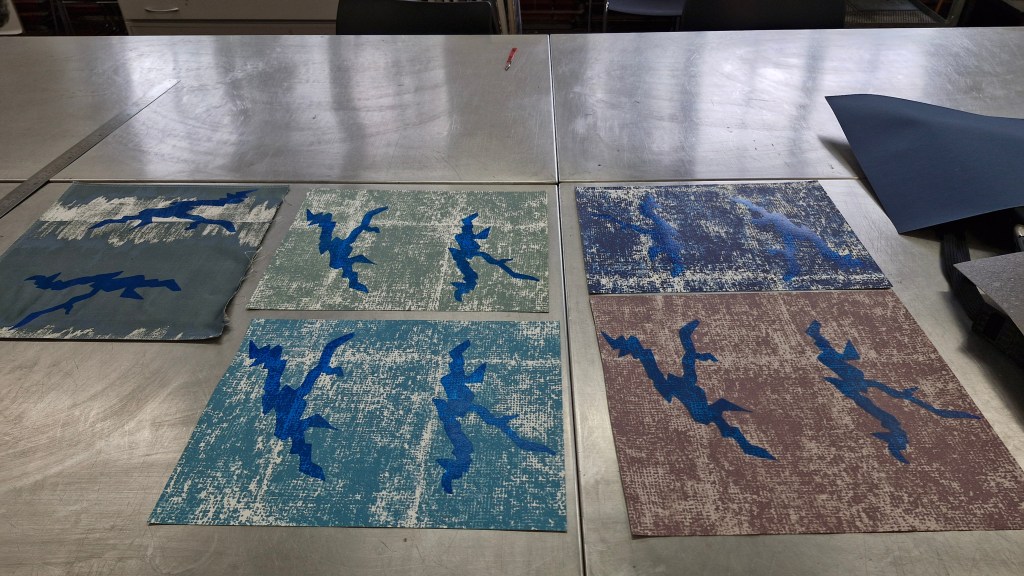
The cracks in the installation suggest that established myths—whether personal, societal, or historical—are fragile and ultimately unable to withstand the pressures of time. I will create earthquake cracks screen printed on to the substantial surface of Lino to ensure it is stable for exhibitions. I will also create a ceramic earthquake piece using the same design shown below.

Forced Evolution

Just as a fault line fundamentally alters a landscape, the sculptures suggest that a massive upheaval or “earthquake” is necessary to break old paradigms and allow new growth.

Societal Instability

 Using a violent natural disaster in an artwork often mimics the unpredictable, chaotic nature of political, social, or environmental collapse.

Structural Vulnerability

They expose the literal and psychological tensions inside rigid structures and in the earth’s surface.

Finished Lino screen print earthquake cracks
SURVEILLANCE

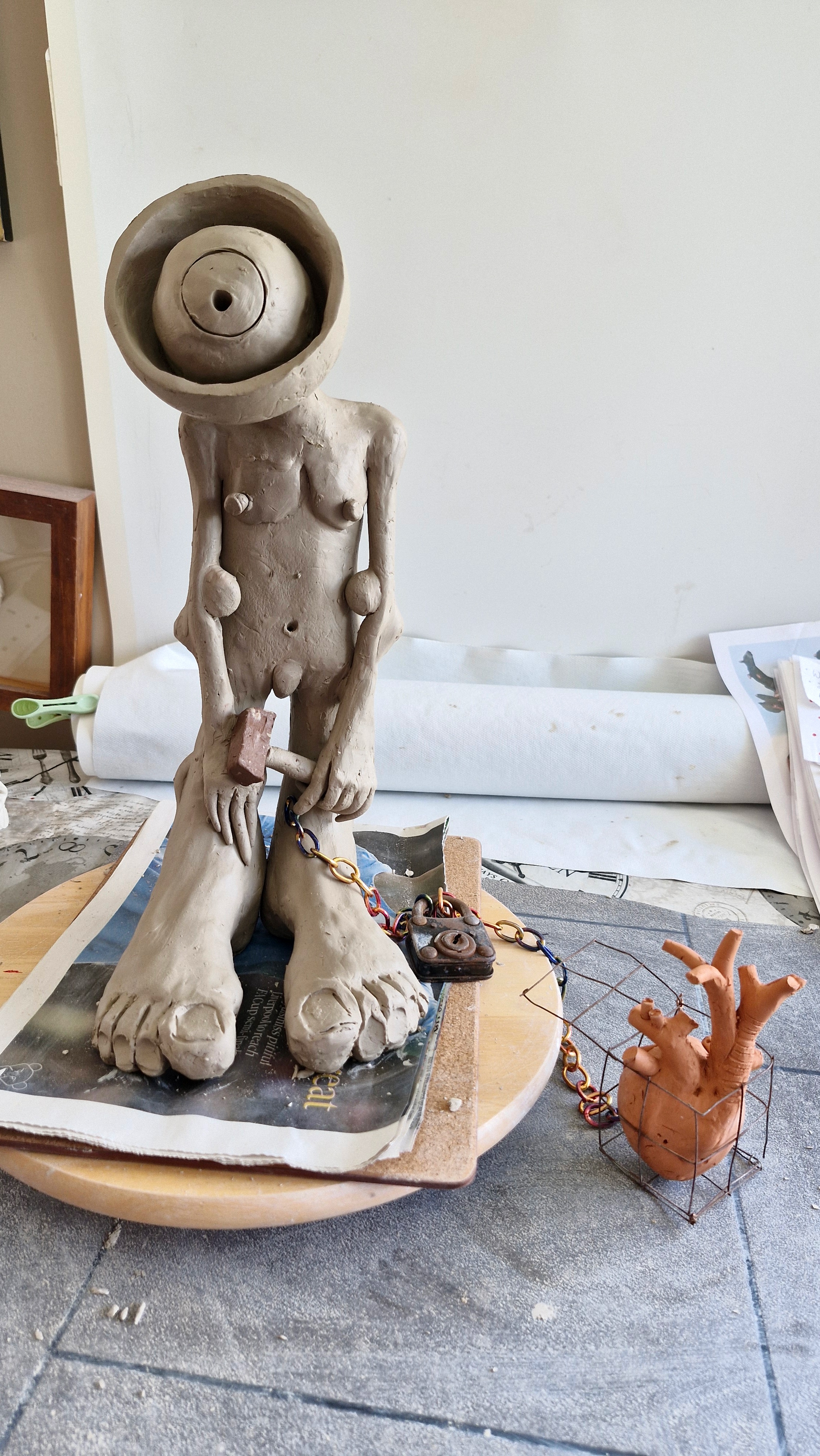
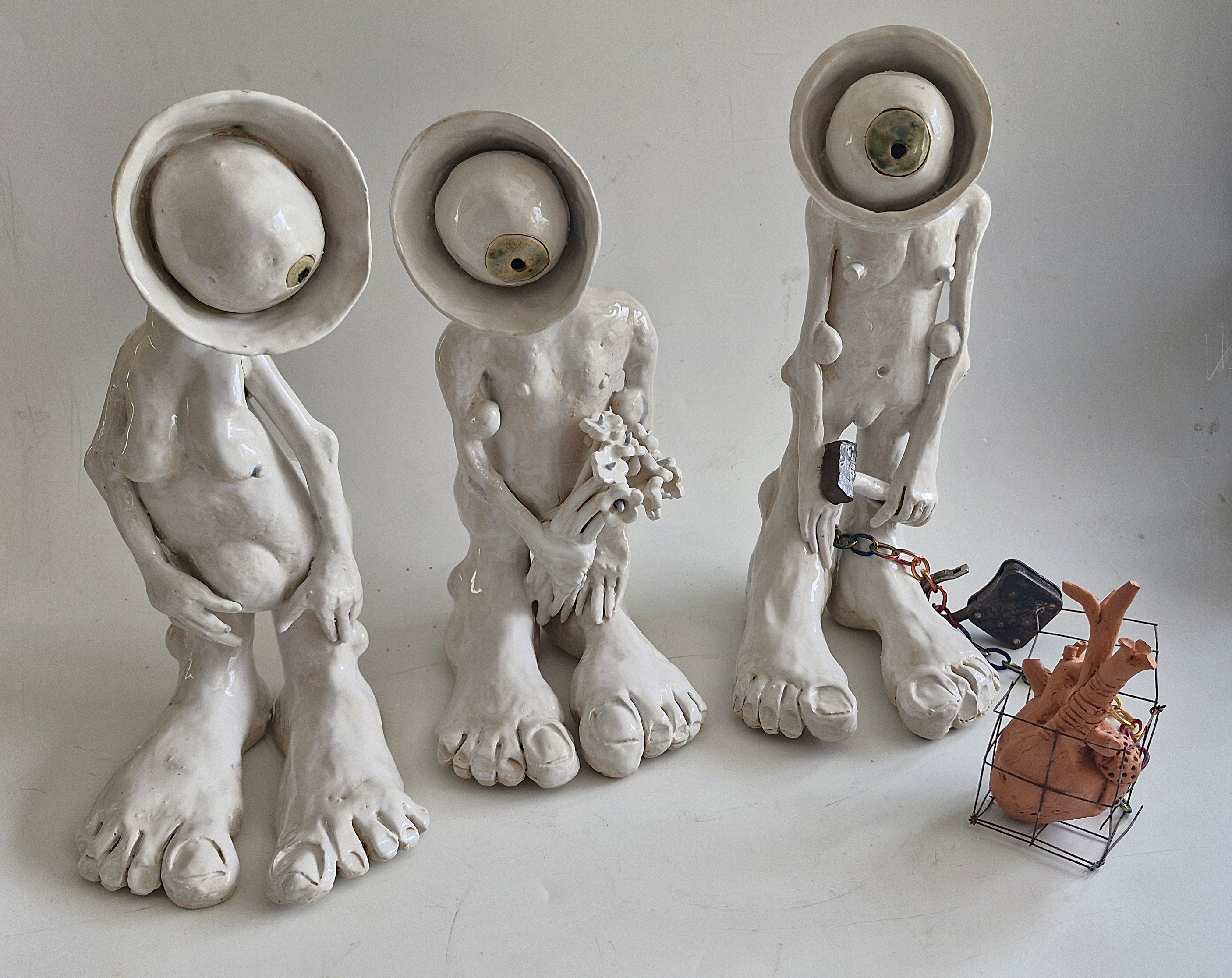
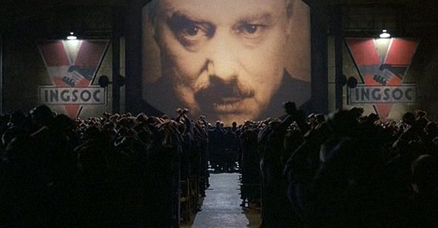
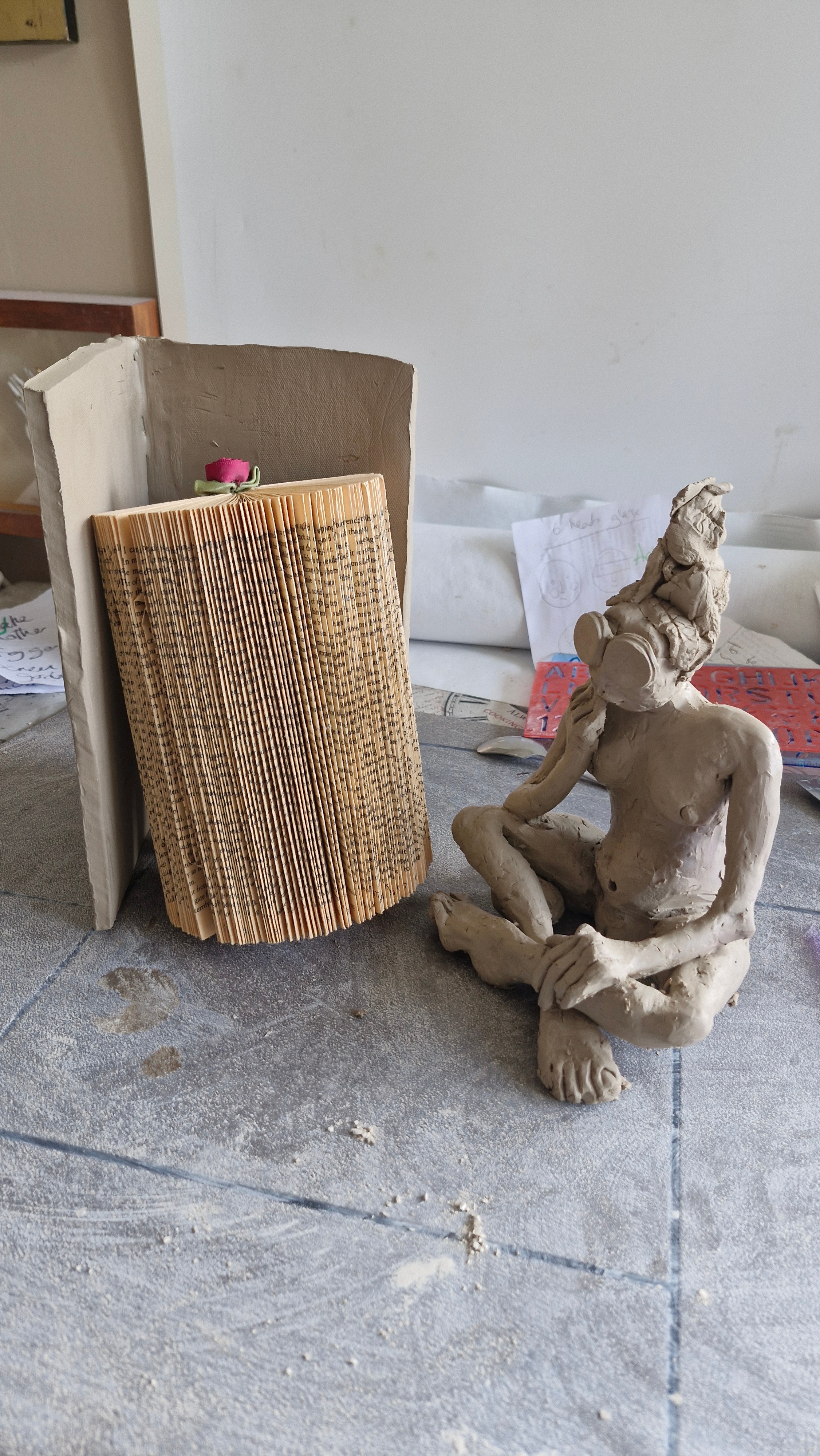
Modern society has incorporated Surveillance culture into our daily lives with alacrity, allowing huge corporations to harvest our private date, monitoring our movements, checking our social media use and community policing. Cracked Myths, albeit set in an ancient world, comments on this. Graceco Roman pillars have surveillance cameras attached to them, the three Cyclopes have surveillance camera eyes as does the nerdy Goddess Clio with her huge spectacles reading her Cracked Myths book.

Surveillance Capitalism

Modern surveillance culture is deeply driven by the profit motive. Huge tech companies monitor our use of searches, clicks, location and purchases to build personal profiles, which in turn targets advertising to make you buy even more. But people seem to accept the trade-off between invasive tracking in exchange for easy digital services, personalised entertainment, and security.

Social & Everyday Surveillance

People use digital tools themselves to monitor their friends and families using location-sharing and home security networks to keep tabs one people.

GRAFFITI

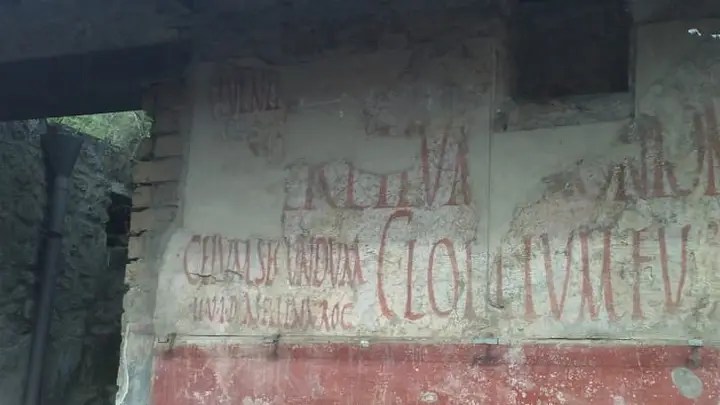
I am intending to decorate the ancient pillars with graffiti. I really like this example from a Pompei pub.

“YOU LOVE IRIS, BUT SHE DOES NOT LOVE YOU.”

These ancient, informal records read like overheard gossip. I will have to choose my own. 

Translated examples include: 

  • Sarcastic: “Put a saw under the garden gate.”
  • Insulting: “Sosinous is a lecherous fellow.”
  • Party Invites: “Boy, bring new couches for the symposium.”

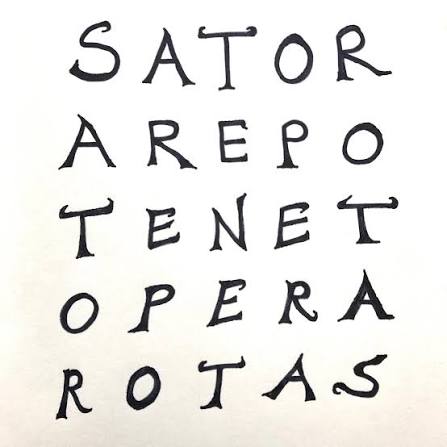
SATOR Square

While a precise, poetic translation is debated by Latin scholars, the individual words broadly mean: 

  • SATOR: Sower or planter
  • AREPO: Likely a proper noun or an invented name
  • TENET: Holds or keeps
  • OPERA: Works, labor, or care
  • ROTAS: Wheels 

Broadly meaning that the “The sower Arepo holds the wheels with care”. [1]

History, magic and religion

The oldest known SATOR square

The oldest known squares have been found in the ruins of the ancient Roman city of Pompeii, dating prior to 79 CE. Other notable early examples have been excavated in Cirencester, England and Budapest, Hungary. 

Christian Symbolism

 Because the letters can be perfectly rearranged to form a cross of the words “Pater Noster” (the “Our Father” prayer) along with the Alpha and Omega symbols, many historians believe it was a covert symbol for early persecuted Christians. 

Medieval Magic

Throughout the Middle Ages and into the Renaissance, the square was embraced as a powerful magical talisman. It was widely believed that writing the words on parchment or bread could extinguish fires, cure dog bites, and relieve insanity